
25 KiB
Chapter 3. Port Power Requirements
3.1. Introduction
Power Requirements define voltages and current ranges that are offered by compliant USB Power Delivery Source Ports and used by compliant USB Power Delivery Sink Ports. Power Requirements enable a collection of interoperable power sources to function with a variety of powered devices in a standard and compliant ecosystem. Power Requirements are generally defined based on a Port's PDP Rating and the Source PDPs (Port Guaranteed PDP, Port Maximum PDP, Port Present PDP) described in Section 6.4.10. The Source Port PDP Rating is the Port Maximum PDP described in Section 6.4.10 and the Sink Port PDP Rating is the maximum PDP the Sink can utilize described in Section 6.5.16. The PDP Rating of a product with multiple Source ports is the highest Port Maximum PDP from the individual Source Ports.
Note: All of the Power Requirements defined in this chapter are for each individual Port.
3.2. Source Port Power Requirements
A Source Port is defined as a Guaranteed Capability Port or a Managed Capability Port. For all of the defined requirements, the Capabilities a Source exposes are based on the Port Maximum PDP, or if power constrained, the Port Present PDP.
3.2.1. General Source Port Requirements
The following are general Requirements for every Source Port.
- The Maximum current for a Fixed or Variable PDO is based on the Port Present PDP (x/voltage). The Maximum current May be RoundUp or RoundDown to the nearest 10mA.
- A Source Shall Not Advertise a current for a Fixed PDO that would result in the maximum power for that PDO (Voltage × Maximum Current) > maximum power of a higher voltage Fixed PDO.
- Maximum power for Battery PDOs Shall be ≤ PDP Rating and the value can be rounded down.
- The Maximum current for the SPR Programmable Power Supply (PPS) APDO Shall be as defined in Table 3.4. a. Note: When the PPS Power Limited bit is set in the PPS APDO, the output current is as defined in Table 3.4. However, the Programmable Power Supply May limit its output current so that the product of its actual output voltage times the output current does not exceed the Port Present PDP. b. If a 9V Prog, 15V Prog or 20V Prog Programmable Power Supply APDO is advertised, the maximum current Shall be RoundDown (x/Prog Voltage) to the nearest 50mA. When the PPS Power Limited bit is clear, the Source Shall provide this current at Maximum Voltage.
- The first Source Capabilities, when in a Default or Implicit Contract, Shall set the Maximum Current of the 5V Fixed PDO ≥ the USB Type-C Current advertised by Rp.
- The special case of a Source offering no capabilities (0mA or 0W) is described in Section 7.9.1.5.
3.2.2. Guaranteed Capability Port
A Guaranteed Capability Port is a Port that, with the exception of a fault condition or a Cable power rating limitation, is always able to provide the Port Maximum PDP. Simple wall chargers, self-powered docks, displays, etc. are typically Guaranteed Capability Ports.
The following Requirements apply to a Guaranteed Capability Port:
- A Guaranteed Capability Source Port Shall set Port Guaranteed PDP = Port Maximum PDP.
- A Guaranteed Capability Source Port Shall set Port Present PDP = Port Maximum PDP except when a. Port Maximum PDP > 60W and the cable VBUS Current Handling Capability = 3A. In this case, the Port Shall set Port Present PDP = 60W. b. Port Maximum PDP > 100W (EPR Capable) and the Cable is not EPR Capable. In this case, the Port Shall set the Port Present PDP ≤ 100W. Note: Margin to 100W (e.g. 95W) is allowed and may be required to comply with safety standards. The actual Port Present PDP is product specific but should be as close to 100W as possible.
3.2.3. Managed Capability Port
A Managed Capability Port is a Port that may be constrained such that it does not always provide the Port Maximum PDP. Generally, these types of ports are on products where providing power is not the main function or they are Shared Capacity Ports where power is shared across multiple ports. Portable computers, mobile phones, tablets, shared-capacity docks and displays, etc. are typically Managed Capability Ports.
The following Requirements apply to a Managed Capability Port:
-
A Source Shall set Port Guaranteed PDP ≤ Port Maximum PDP.
-
A Source Shall set Port Present PDP ≤ Port Maximum PDP.
-
A Source Shall provide the PDO/APDOs required for its Port Present PDP as shown in Table 3.2.
-
A Managed Capability Source Port Shall limit Port Present PDP when a. Port Present PDP would be > 60W but the cable VBUS Current Handling Capability = 3A. In this case, the Port Shall set Port Present PDP = 60W. b. Port Present PDP would be > 100W (EPR Capable) and the Cable is not EPR Capable. In this case, the Port Shall set the Port Present PDP ≤ 100W.
Note: Margin to 100W is allowed (e.g. 95W) to prevent actual power delivered due to voltage variation to be > 100W. The actual Port Present PDP is product specific but should be as close to 100W as possible.
-
A Source May offer Source Capabilities with power less than the Port Present PDP. However, when the Attached Sink has set Mismatch in the Request RDO, the Source Shall provide Source Capabilities equivalent to the minimum of either the Source Port Present PDP or the maximum sinking capacity of the Attached Sink found in either Sink Capabilities (PDO) or Extended Sink Capabilities (PDP).
3.2.4. Source Voltage and Current Requirements
The following are minimum Requirements for Source Port voltages and currents:
- The voltages and minimum currents an SPR Source Shall support based on the Port Maximum PDP are defined in Table 3.1.
- The voltages and minimum currents an SPR Source Shall support based on the Port Present PDP are defined in Table 3.2.
- Each SPR PDO and APDO Shall only be available if it were required for the Port Maximum PDP as shown in Table 3.1.
Figure 3.1 shows the Required voltage and minimum current for each SPR Fixed PDO based on Port Maximum PDP that is described in Table 3.1.
Figure 3.1. SPR Required Source Power Rule Illustration for Fixed PDOs
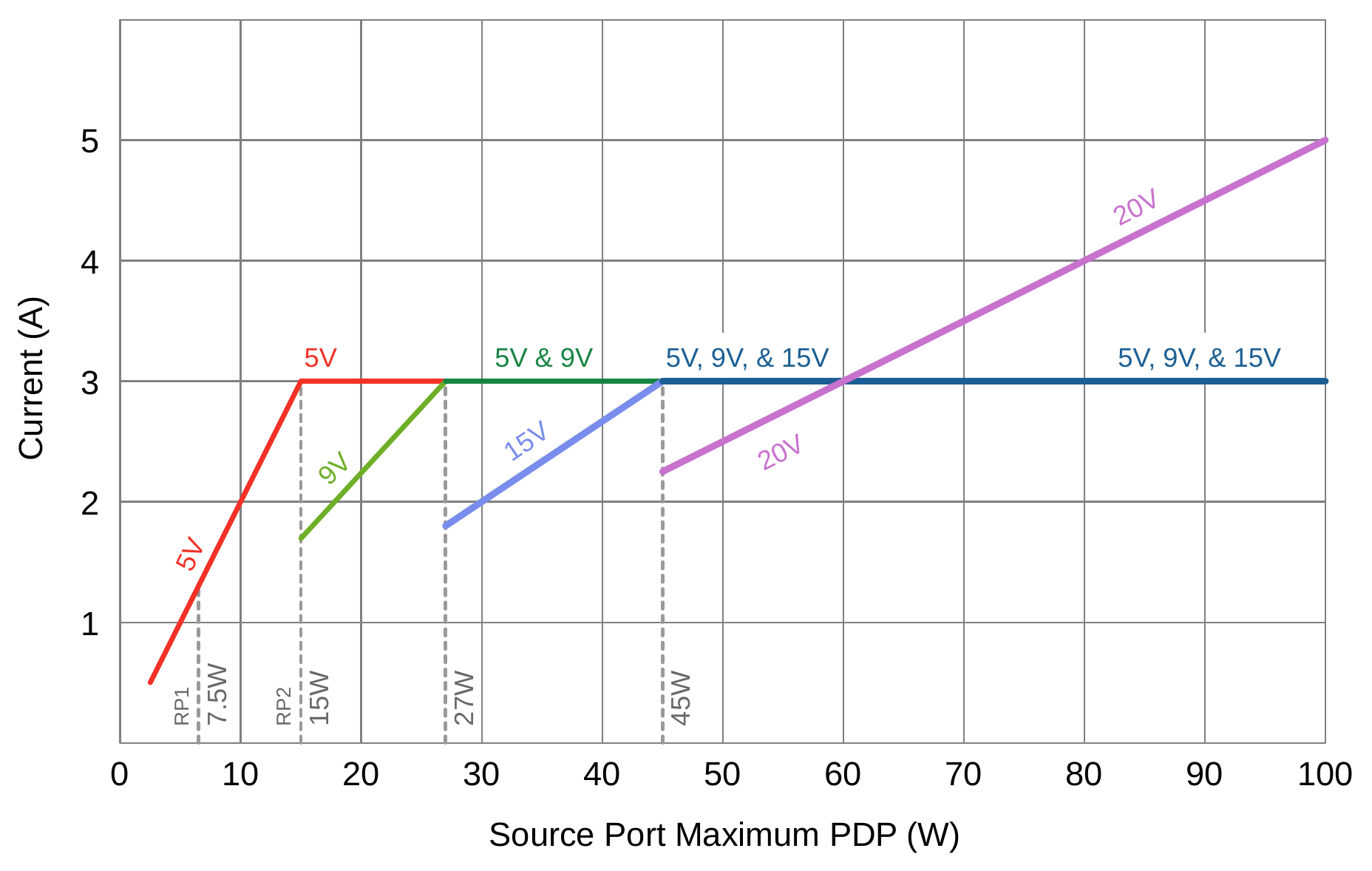
Table 3.1. SPR Source Voltages and Minimum Currents based on Port Maximum PDP
| Port Maximum PDP Rating (W) | 5V Fixed (A) | 9V Fixed (A) | 15V Fixed (A) | 20V Fixed (A) | SPR AVS² (A) |
|---|---|---|---|---|---|
| 0.5 ≤ x ≤ 15 | PDP÷5 | - | - | - | - |
| 15 < x ≤ 27 | 3 | PDP÷9 | - | - | - |
| 27 < x ≤ 45 | 3 | 3 | PDP÷15 | - | Max Voltage =15V Max Current (9-15V) = 15V Fixed PDO Max Current |
| 45 < x ≤ 100 | 3 | 3 | 3 | PDP÷20¹ | Max Voltage = 20V Max Current (9-15V) = 15V Fixed PDO Max Current Max Current (15-20V) = 20V Fixed PDO Max Current |
- Currents > 3A assume the Cable VBUS Current Carrying Capability is capable of the Port Maximum PDP. When it is not, Port Present PDP is limited by the cable. Refer to Table 3.2 for this case.
- The Sink is allowed to Request up to the 20V Fixed Supply Max Current when the requested voltage from the AVS APDO is 15.0V.
- '-' indicates PDO or APDO is not allowed.
Table 3.2. SPR Voltages and Minimum Currents when Port Present PDP < Port Maximum PDP
| Port Present PDP (W) | 5V Fixed (A) | 9V Fixed (A) | 15V Fixed (A) | 20V Fixed (A) | SPR AVS³,⁴ (A) |
|---|---|---|---|---|---|
| 0.5≤ x ≤ 15 | PDP÷5 | PDP÷9³ | PDP÷15³ | PDP÷20³ | Max Voltage = Max Fixed PDO Voltage¹ |
| 15 < x ≤ 27 | 3 | PDP÷9 | PDP÷15 | PDP÷20 | Max Current (9-15V) = 15V Fixed PDO Max Current Max Current (15-20V) = 20V Fixed PDO Max Current |
| 27 < x ≤ 45 | 3 | 3 | PDP÷15 | PDP÷20 | Max Current (9-15V) = 15V Fixed PDO Max Current Max Current (15-20V) = 20V Fixed PDO Max Current |
| 45 < x ≤ 100³ | 3 | 3 | 3 | PDP÷20 | Max Current (9-15V) = 15V Fixed PDO Max Current Max Current (15-20V) = 20V Fixed PDO Max Current |
- SPR AVS APDO Shall only be available if the 15V Fixed PDO is available.
-
60W Port Present PDP requires a 5A cable.
- This PDO and/or APDO is optional for Port Present PDP ≤ 15W.
- The Sink is allowed to Request up to the 20V Fixed Supply Max Current when the requested voltage from the AVS APDO is 15.0V
The minimum Required Source Capabilities described in Table 3.1 and Table 3.2 can be generalized based on the Port Present PDP by:
- 5V, 9V, and 15V SPR Fixed PDOs
- PDO Maximum Current = Minimum( 3A, Port Present PDP ÷ Fixed PDO Voltage )
- 20V SPR Fixed PDO
- PDO Maximum Current = Minimum( Cable Rating, Port Present PDP ÷ Fixed PDO Voltage )
- SPR AVS
- 9V to 15V maximum current = 15V Fixed PDO Maximum Current
- 15V to 20V maximum Current = 20V Fixed PDO Maximum Current
Table 3.3 shows examples of the SPR Source Capabilities = advertised based on Port Present PDP from Table 3.2.
Table 3.3. Examples of Required SPR Source Capabilities when Port Present PDP < Port Maximum PDP
| Port Maximum PDP (W) | Cable Rating (A) | Port Present PDP (W) | Offers: 5V Fixed (A) | Offers: 9V Fixed (A) | Offers: 15V Fixed (A) | Offers: 20V Fixed (A) | Offers: SPR AVS (A) |
|---|---|---|---|---|---|---|---|
| 80 | 5 | 65 | 3 | 3 | 3 | 3.25 | 9V - 15V: 3 15V - 20V: 3.25 |
| 80 | 5 | 40 | 3 | 3 | 2.67 | 2 | 9V - 15V: 2.67 15V - 20V: 2 |
| 80 | 3 | 40 | 3 | 3 | 2.67 | 2 | 9V - 15V: 2.67 15V - 20V: 2 |
| 80 | 5 | 20 | 3 | 2.22 | 1.33 | 1 | 9V - 15V: 1.33 15V - 20V: 1 |
| 80 | 3 | 20 | 3 | 2.22 | 1.33 | 1 | 9V - 15V: 1.33 15V - 20V: 1 |
| 40 | 5 | 20 | 3 | 2.22 | 1.33 | Not offered | 9V - 15V: 1.33 |
| Port Maximum PDP (W) | Cable Rating (A) | Port Present PDP (W) | 5V Fixed (A) | 9V Fixed (A) | 15V Fixed (A) | 20V Fixed (A) | SPR AVS (A) |
|---|---|---|---|---|---|---|---|
| 40 | 3 | 20 | 3 | 2.22 | 1.33 | Not offered | 9V - 15V: 1.33 |
| 80 | 3 | 15 | 3 | 1.671 | 11 | 0.751 | 9V - 15V: 11 15V - 20V: 0.752 |
| 40 | 3 | 15 | 3 | 1.671 | 11 | Not offered | 9V - 15V: 11 |
- This Capability is Optional at this Port Present PDP and May be offered at this Port Present PDP if the Fixed 15V PDO is offered.
- This Capability is Optional at this Port Present PDP and May be offered at this Port Present PDP if the Fixed 20V PDO is offered.
3.2.5. Optional Source Voltage/Currents
3.2.5.1. Fixed, Variable and Battery Supply
In addition to the voltages and currents specified in Section 3.2.4, an SPR Source May Optionally supply additional voltages and increased currents.
While allowed, the use of Optional voltages and currents is strongly discouraged to avoid user confusion. Optional voltages or currents allow Sinks that might perform differently with a Source with an Optional voltage or current than with a Source with an equivalent Port Maximum PDP but without the Optional voltage or current.
The following are Requirements apply to Optional Fixed, Variable, and Battery PDOs:
- A Source Shall Not Advertise an optional Fixed PDO voltage > 9V.
- A Source Shall only Advertise a Variable or Battery PDO with a Maximum Voltage ≤ the highest offered Fixed PDO voltage with allowed variance (≤ 1.05 × Fixed PDO Voltage)
- A Source Shall Not Advertise an optional Fixed PDO voltage > the highest Required Fixed Voltage PDO in Table 3.1.
- A Source May offer a Variable PDO, a Battery PDO, or a higher Maximum Current in a Fixed PDO than that found in Table 3.1 and Table 3.2. The following Requirements apply: a. A Source Shall not Advertise a Maximum Current for a Fixed PDO > the current defined by the Port Present PDP in Table 3.1 and Table 3.2. b. A Source Shall Not Advertise a Maximum Current for a Fixed PDO that would result in the maximum power for that PDO exceeding the maximum power of the next higher voltage required Fixed PDO (5V, 9V, 15V, or 20V) as specified in Table 3.1 and Table 3.2. c. A Source Shall Not Advertise a Maximum Current for a Variable PDO that would result in the maximum power for that PDO (Maximum Voltage × Maximum Current) exceeding the maximum power (1.05 × Voltage × Maximum Current) of the next higher voltage required Fixed PDO (5V, 9V, 15V, or 20V) as specified in Table 3.1 and Table 3.2. The 1.05 factor accounts for the ±5% voltage tolerance of Fixed PDOs. d. A Source Shall Not Advertise a Maximum Power for a Battery PDO that would result in the maximum power for that PDO exceeding the maximum power (1.05 × Voltage × Maximum Current) of the next higher voltage required Fixed PDO (5V, 9V, 15V, or 20V) as specified in Table 3.1 and Table 3.2. The 1.05 factor accounts for the ±5% voltage tolerance of Fixed PDOs.
- EPR Capable Sources Shall Not implement optional Fixed PDOs.
- An EPR Capable Source Shall only implement a Variable or Battery PDO as an SPR PDO. SPR Variable and Battery PDOs are allowed in EPR Mode.
3.2.5.2. SPR Programmable Power Supply (PPS)
Programmable Power Supply (PPS) is Optional. When included, the voltages and currents a PPS Shall support are as defined in Table 3.4.
Table 3.4. SPR PPS APDOs based on the Port Maximum PDP
| Port Maximum PDP (W) | Prog Voltage = 9V3,4 (A) | Prog Voltage = 15V3,4 (A) | Prog Voltage = 20V3,4 (A) |
|---|---|---|---|
| x ≤ 15 | - | - | - |
| 15 < x < 27 | PDP÷91 | - | - |
| 27 | 3 | - | - |
| 27 < x < 45 | 32 | PDP÷151 | - |
| 45 | - | 3 | - |
| 45 < x < 60 | - | 32 | PDP÷201 |
| 60 | - | - | 3 |
| 60 < x < 100 | - | - | PDP÷201 |
| 100 | - | - | 5 |
- The PPS APDOs Maximum Current field Shall Advertise RoundDown( PDP ÷ Prog Voltage ) to the nearest 50mA.
- The PPS APDOs Maximum Current field Shall Advertise at least 3A. When the cable VBUS Current Handling Capability = 5A, the Maximum Current field May Advertise up to RoundDown( PDP ÷ Prog Voltage ) to the nearest 50mA.
- See Table 4.2 for the voltage ranges defined for the PPS Prog APDOs.
- Applies to PPS APDOs regardless of value of the PPS Power Limited bit.
- '-' indicates APDO is not allowed.
3.2.5.3. Extended Power Range (EPR)
Support of EPR Mode is Optional. An EPR Capable Port has a Port Maximum PDP > 100W and ≤ 240W.
Table 3.5 and Table 3.6 define the requirements for EPR Source Ports.
The following Requirements apply to an EPR Capable Source Port (EPR Source Port):
- An EPR Source Port May operate in either SPR Mode or EPR Mode when providing power ≤ 100W.
- An EPR Source Port May be implemented as a Managed Capability Port or Guaranteed Capability Port.
- An EPR Source Port, operating in SPR Mode, May Advertise the SPR 20V Fixed PDO with < 5A (< 100W) to avoid potentially violating external safety regulations. This value should be as close as possible to 100W if not otherwise limited by Port Present PDP.
- When operating in EPR Mode, an EPR Source Port with a Port Present PDP ≥ 100W Shall offer 5A in the 20V Fixed PDO.
- When the Attached cable is not an EPR Capable cable, an EPR Capable Source Shall only operate in SPR Mode.
- When in EPR Mode, an EPR Source Port that supports PPS Shall offer the SPR Fixed 20V PDO and PPS 20V Prog APDO at the Port Present PDP, up to 100W.
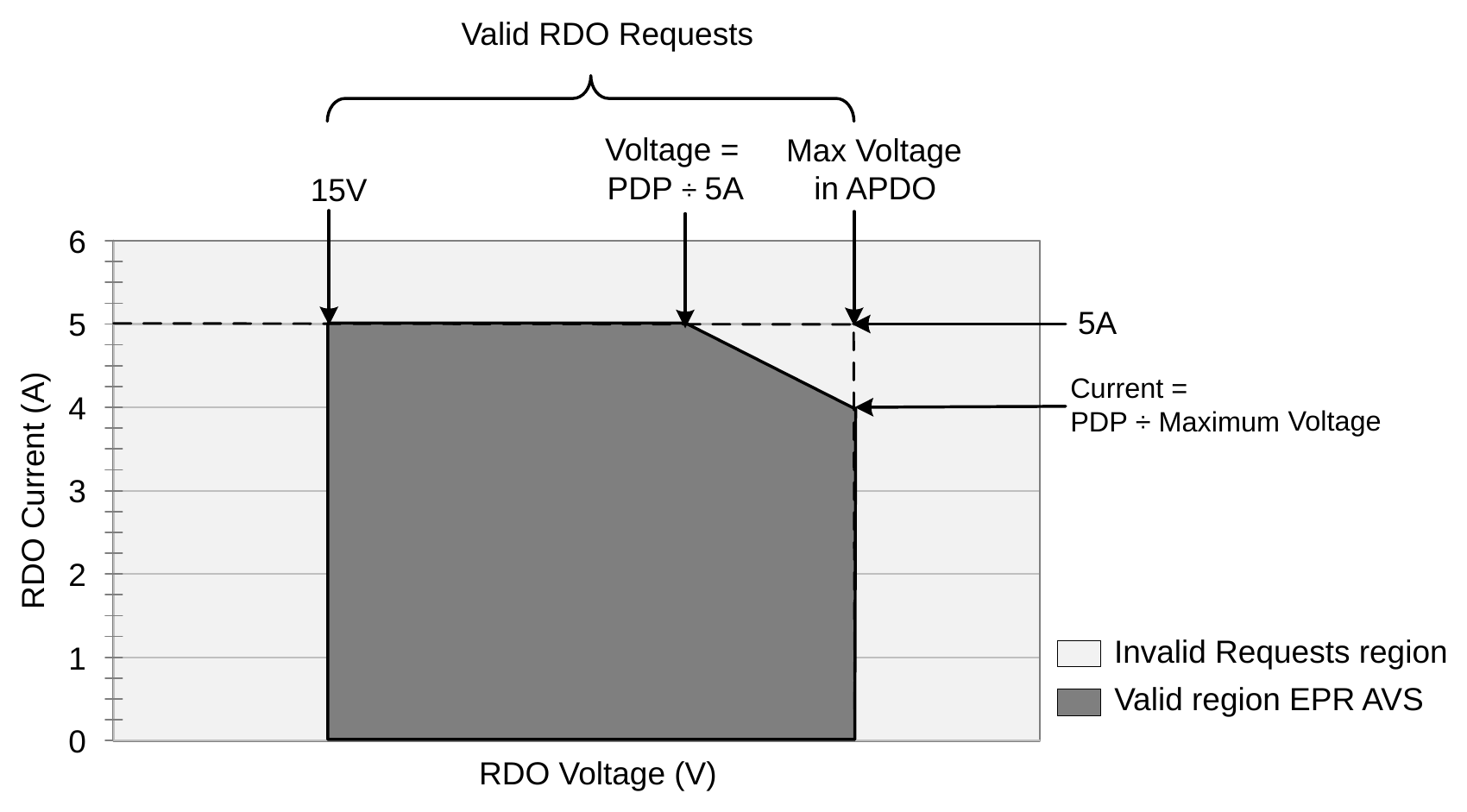
- An EPR Source Port in an EPR AVS Contract Shall stay within the power offered in the PDP Field from the EPR AVS APDO defined in Table 6.16 and Shall Reject any Request whose operating current exceeds (PDP ÷ requested voltage) or 5A.
Figure 3.3 shows the definition of the valid operating range for an EPR Source operating in an AVS Explicit Contract based on the PDP Field.
Figure 3.2 combined with Figure 3.1 shows the minimum current that an EPR Source Shall support at each EPR Fixed PDO for a given Port Maximum PDP.
Figure 3.2. EPR Source Power Rule Illustration for Fixed PDOs
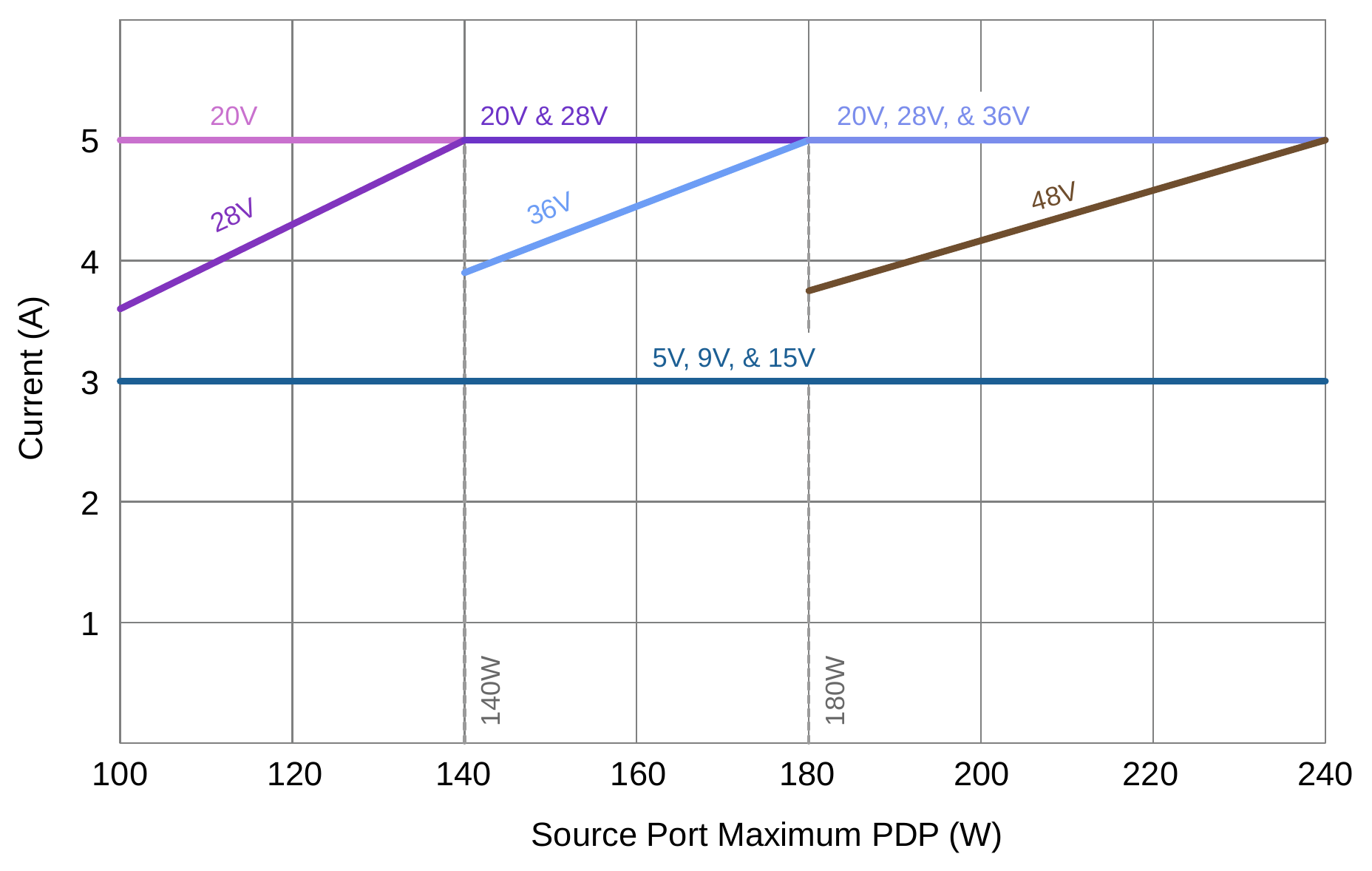
Table 3.5. EPR Source Capabilities based on the Port Maximum PDP
| Port Maximum PDP (W) | 28V Fixed (A) | 36V Fixed (A) | 48V Fixed (A) | EPR AVS2 (A) |
|---|---|---|---|---|
| 100 < x ≤ 140 | PDP÷28 | - | - | Max Voltage = 28V Available Current (15-28V) = PDP ÷ AVS voltage (maximum of 5A) |
| 140 < x ≤ 180 | 5 | PDP÷36 | - | Max Voltage = 36V Available Current (15-36V) = PDP ÷ AVS voltage (maximum of 5A) |
| 180 < x ≤ 240 | 5 | 5 | PDP÷48 | Max Voltage = 48V Available Current (15-48V) = PDP ÷ AVS voltage (maximum of 5A) |
- '-' indicates PDO or APDO is not allowed.
- The current available for a given AVS voltage is as indicated in this column. The current defined here is describing the top edge of the Valid Operating Region as illustrated in Figure 3.3. The AVS APDO does not have a Maximum Current field, so the maximum current is calculated from the Port Present PDP.
Table 3.6. EPR Source Capabilities when Port Present PDP < Port Maximum PDP
| Port Present PDP (W) | 28V Fixed1 (A) | 36V Fixed1 (A) | 48V Fixed1 (A) | EPR AVS (A) |
|---|---|---|---|---|
| 7.5 < x ≤ 27 | PDP÷282 | PDP÷362 | PDP÷482 | Max Voltage = Max Fixed PDO Voltage3 Available Current = PDP ÷ AVS Voltage (maximum of 5A) |
| 27 < x ≤ 45 | PDP÷28 | PDP÷362 | PDP÷482 | Max Voltage = Max Fixed PDO Voltage3 Available Current = PDP ÷ AVS Voltage (maximum of 5A) |
| 45 < x ≤ 60 | PDP÷28 | PDP÷36 | PDP÷482 | Max Voltage = Max Fixed PDO Voltage3 Available Current = PDP ÷ AVS Voltage (maximum of 5A) |
| 60 < x ≤ 75 | PDP÷28 | PDP÷36 | PDP÷48 | Max Voltage = Max Fixed PDO Voltage3 Available Current = PDP ÷ AVS Voltage (maximum of 5A) |
| 75 < x ≤ 100 | PDP÷28 | PDP÷36 | PDP÷48 | Max Voltage = Max Fixed PDO Voltage3 Available Current = PDP ÷ AVS Voltage (maximum of 5A) |
| 100 < x ≤ 140 | PDP÷28 | PDP÷36 | PDP÷48 | Max Voltage = Max Fixed PDO Voltage3 Available Current = PDP ÷ AVS Voltage (maximum of 5A) |
| 140 < x ≤ 180 | 5 | PDP÷36 | PDP÷48 | Max Voltage = Max Fixed PDO Voltage3 Available Current = PDP ÷ AVS Voltage (maximum of 5A) |
| 180 < x ≤ 240 | 5 | 5 | PDP÷48 | Max Voltage = Max Fixed PDO Voltage3 Available Current = PDP ÷ AVS Voltage (maximum of 5A) |
- Each EPR Fixed PDO is only available if it were required for the Port Maximum PDP as shown in Table 3.5.
- This PDO is Optional for this Port Present PDP.
- This APDO is Required when an EPR Fixed PDO is offered.
EPR Source Capabilities described in Table 3.5 and Table 3.6 can be generalized based on the Port Present PDP by:
- For each Fixed PDO
- PDO Maximum Current = Minimum( 5A, PDP ÷ Fixed PDO Voltage )
- 48V Fixed PDO is not allowed if Port Maximum PDP ≤ 180W and otherwise optional if Port Present PDP ≤ 60W.
- 36V Fixed PDO is not allowed if Port Maximum PDP ≤ 140W and otherwise optional if Port Present PDP ≤ 45W.
- 28V Fixed PDO is optional if Port Present PDP ≤ 27W.
- EPR AVS
- PDO Maximum Voltage = Maximum offered Fixed PDO Voltage
- PDO Minimum Voltage = 15V
- PDO PDP = Port Present PDP
Table 3.7 shows examples of the SPR Source Capabilities = advertised based on Port Present PDP from Table 3.2.
Table 3.7. Examples of EPR Source Capabilities when Port Present PDP <Port Maximum PDP
| Port Maximum PDP (W) | Port Present PDP (W) | 28V Fixed(A) | 36V Fixed(A) | 48V Fixed(A) | EPR AVS max Voltage (V) and Power (W) |
|---|---|---|---|---|---|
| 200 | 108 | 3.86 | 3 | 2.25 | 48V@108W |
| 160 | 108 | 3.86 | 3 | Not offered | 36V@108W |
| 120 | 108 | 3.86 | Not offered | Not offered | 28V@108W |
| 200 | 72 | 2.57 | 2 | 1.5 | 48V@72W |
| 160 | 72 | 2.57 | 2 | Not offered | 36V@72W |
| 120 | 72 | 2.57 | Not offered | Not offered | 28V@72W |
| 200 | 36 | 1.29 | 11 | 0.751 | 48V@36W1 |
| 160 | 36 | 1.29 | 11 | Not offered | 36V@36W1 |
| Port Maximum PDP (W) | Port Present PDP (W) | Offers | |||
|---|---|---|---|---|---|
| 28V Fixed(A) | 36V Fixed(A) | 48V Fixed(A) | EPR AVS max Voltage (V) and Power (W) | ||
| 120 | 36 | 1.29 | Not offered | Not offered | 28V@36W |
- These Capabilities are not required but may be offered at this Port Present PDP.
Figure 3.3. Valid EPR AVS Operating Region
3.3. Dynamic Power Supply (DPS)
The Source power Requirements defined in Section 3.2.4 and Section 3.2.5 Shall apply to a DPS Port, together with the following additional Requirements:
-
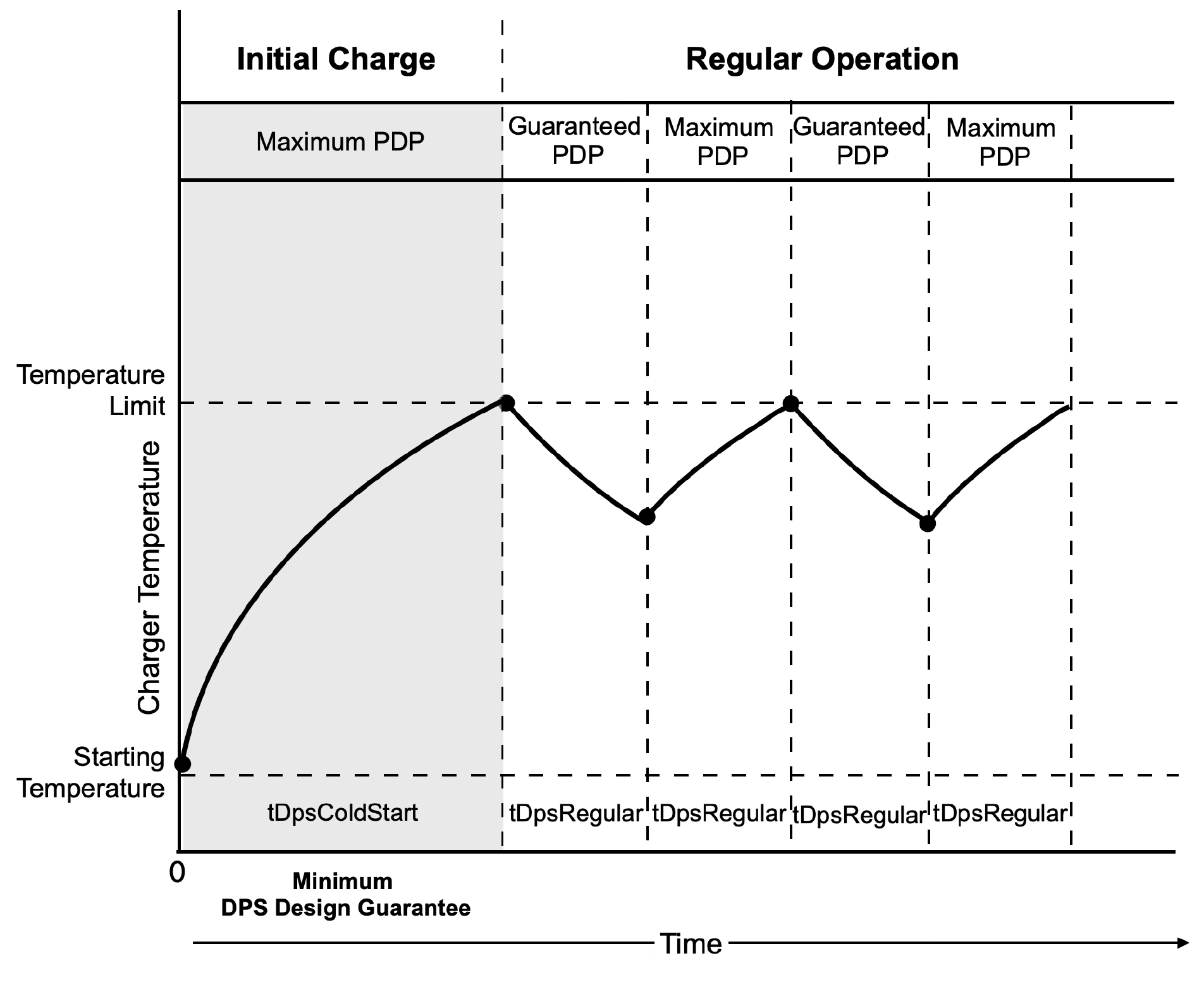
A DPS Port Shall guarantee tDpsColdStart at Maximum PDP provided the following conditions are met:
a. The unit is starting from a cold start. This means the components inside the unit are at ambient temperature, and the ambient temperature Should be around 25°C.
b. The Source Port is not sourced by an internal Battery, per the Source Inputs Field of the Source Capabilities Extended Message.
c. No other events arise that may require the Source to send New Source Capabilities (e.g. a new Request from the Sink).
-
The Source Should not send updated Source Capabilities within tDpsRegular or tDpsColdStart, with the following exceptions:
a. If the Source just entered its First Explicit Contract with the Sink, it May send an updated Source Capabilities Message, provided the Sink sets the Capability Mismatch bit, and the Source can increase the power offered.
b. The updated Source Capabilities are due to sharing power with another Port when the Source is a shared capability Port.
c. Events arise that may require the Source to send New Source Capabilities (e.g. a new Request from the Sink).
d. Parameters other than the temperature affect the Source Capabilities.
Figure 3.4. Example of a DPS temperature profile
A DPS Source uses Alert Message, Status Message, and Source Info Message fields to inform a Sink about changes in its Capabilities. See Section 7.14 and Section 7.26 for additional details on requirements for these fields.
3.4. Sink Power Requirements
3.4.1. Sink Power Rule Considerations
The Sink Power Requirements are designed to ensure the best possible user experience when a given Sink is powered by a compliant Source that only supplies the Required voltages and currents.
Sinks are designed to use Sources with a matching or higher PDP Rating. The Sink Power Requirements are based on the following considerations:
- Low power Sources (e.g., 5V) are expected to be very common and will be used with Sinks designed for a higher PDP.
- Optimizing the user experience when Sources with a higher PDP Rating are used with low power Sinks.
- Preventing Sinks that only function well (or at all) when using Optional voltages and currents.
3.4.2. Sink Requirements
The following Requirements apply to Sink RDO:
- A Sink Shall set RDO Operational Current or RDO Maximum Power to result in power ≤ Sink Maximum PDP.
- A Sink Should set Capabilities Mismatch when the voltage, current, or power being offered in Source Capabilities is insufficient for optimal operation or charging. A Sink Shall not set Capabilities Mismatch otherwise.
- A Sink Shall set RDO Operational Current or Maximum Current as RoundDown to the nearest 10mA for Fixed/Variable/AVS PDO/APDO Supplies and 50mA for PPS APDO.
- A Sink without a Battery Shall set Maximum Power for a Battery Supply RDO to ≤ Sink Operational PDP.
- A Sink requiring no power from the Source, Shall send the 5V RDO with Operational Current set to 0mA.
The following Requirements apply to Sink Capabilities:
- A Sink Shall Not Advertise Fixed PDO maximum voltages and currents that exceed the Sink_Capabilities_Extended Message SPR Sink Maximum PDP when in SPR Mode and EPR Sink Maximum PDP when in EPR Mode.
- A Sink Shall Not Advertise Variable PDO maximum voltages and currents that exceed the Sink_Capabilities_Extended Message SPR Sink Maximum PDP when in SPR Mode and EPR Sink Maximum PDP when in EPR Mode.
- A Sink Shall Not Advertise a Battery PDO maximum allowable power that exceeds the Sink_Capabilities_Extended Message SPR Sink Maximum PDP when in SPR Mode and EPR Sink Maximum PDP when in EPR Mode.
- A Sink Shall Not Advertise a PPS APDO maximum allowable power that exceeds the Sink_Capabilities_Extended Message SPR Sink Maximum PDP when in SPR Mode and EPR Sink Maximum PDP when in EPR Mode.
- A Sink Shall Not Advertise an AVS APDO maximum allowable power that exceeds the Sink_Capabilities_Extended Message SPR Sink Maximum PDP when in SPR Mode and EPR Sink Maximum PDP when in EPR Mode.
3.5. Sink with Acessory Support
The following Requirement applies to a Sink with Accessory Support:
- When sourcing VCONN, a Sink with Accessory Support is considered a Source even though VBUS is not supplied. The Sink with Accessory Support Shall offer a single 5V PDO with the Maximum Current field set to 0mA for the purpose of allowing a VPA to enter an Alternate Mode.
3.6. PDUSB Device Requirements
A PDUSB Device Shall comply with the requirements defined in [PDUSB].